January 16, 2012

Sex Sells….

Sex Sells….

An insight by Michael MacRitchie

I picked this article up from success magazine which talks about the successful connection between ‘brands’ and ‘celebrities’- it can be found here

or…If you read on it is here as well.

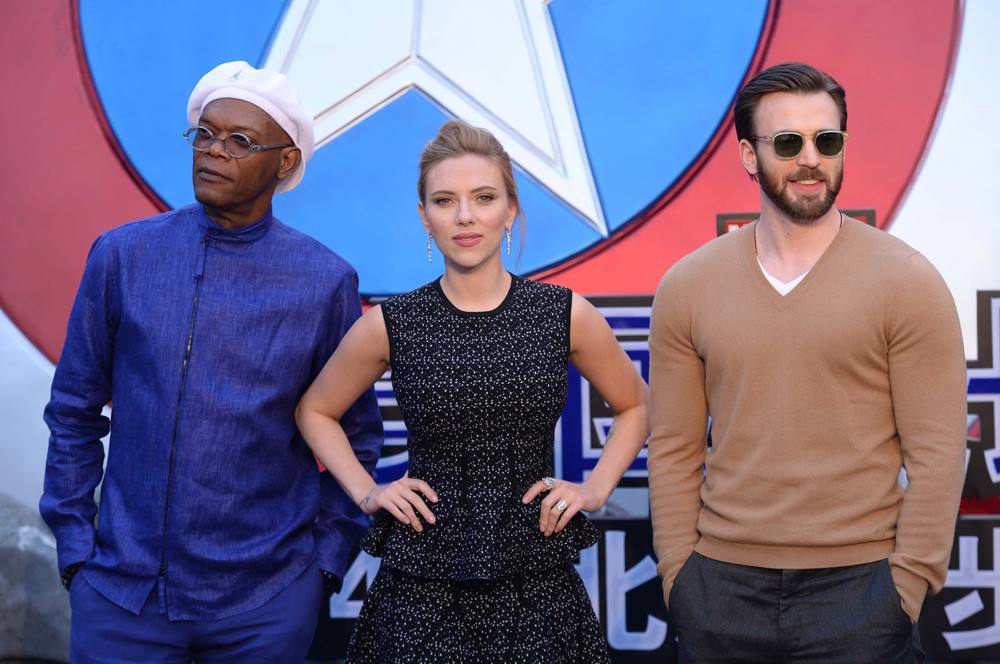
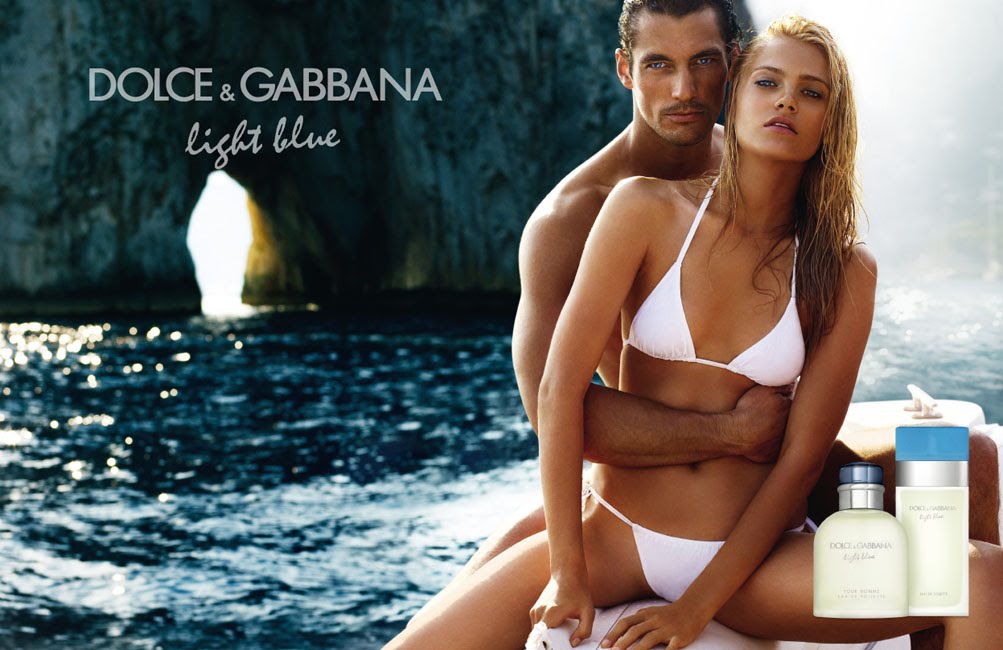
“Sex sells”. Or so they say. But maybe that’s not quite right. Maybe this is more accurate: The mystery of sex sells. The suggestion of it. What’s the difference? Mystery and suggestion do something that showing everything can’t – they engage the imagination. Sex experts the world over will tell you that the most sensitive and responsive erogenous zone of a person’s body is the brain. That’s what advertisers aim for every time. Some celebrities try to engage our brains in the same way. Meet the master (or is it mistress?): Scarlett Johansson.

In an industry where virtually every actress takes off her clothes at some point , Johansson remains all allure, all suggestion — at least by choice. The recent hacked nude images from her mobile phone were a blip on an otherwise conservative radar.

The best directors in the world recognize the allure of her mystery. Christopher Nolan, who cast her in The Prestige, says she possesses an “ambiguity… a shielded quality.” Woody Allen, who has directed her in three movies so far, is far less subtle: “[She's] sexually overwhelming”- which could say more about Allen than about her. Read the rest of this entry »

Watch for ‘Consumer Cues’ to stay relevent

Insight by Andrew Collins

I found this article up from Mailman Group website where CEO Andrew Collins makes some interesting points about brands staying relevant the article can be found here;

http://www.mailmangroup.com/2011/12/watch-for-consumer-cues-to-stay-relevent/

If you keep reading it is here as well…

How many brands closely watch ‘consumer cues’ to drive brand decisions? After all it’s the consumers whom actually create trends, push trends or even squash trends. So if it is the very consumer whom decides that the fate of your brand is the question- how much are you paying attention? Read the rest of this entry »

Tips when looking for sponsorship in China

An insight by Michael MacRitchie

You are organizing a big event. It can be an a charity fundraiser or a rock festival or a film project. To organize any event or produce any entertainment you require sponsorship money. And where will the money come from? It comes mostly from brands and corporate who are interested in aligning with the entertainment property.

Importance of sponsorship

  • We all know that sponsorship is integral for the launch of any event. In China preparing for a large scale event means that Sponsorship revenue is of paramount importance because there is still a gap between the numbers of people purchasing tickets vs people ‘receiving’ the tickets as a form of gaunxi (relationship building) therefore loosing out on potential profits/additional ticket revenue.
  • Without the marketing dollars it is often challenging to get the event off the ground or there is not enough revenue to execute a memorable event.


Plan accordingly

  • In order to plan effectively it is therefore very important to give brands time to ‘activate’ the sponsorship. It is very importance to give the brands at least 6months preparation time. Internally the brands or organizations need a few rounds of clearance to get internal approvals and clearances. Please note, brands and multinationals receive at least 15 proposals per week from promoters, producers looking for secondary funding through sponsorship. In China there is also a lot of pressure from Chinese government owned agencies for brands to sponsor government ‘run’ events.( The brands feel pressure to comply because it is the Chinese government).


  • The only exception is if the event is truly spectacular then the brands will scramble to be invoked but the more time you give the brands, the better your chances are in securing larger sponsorship dollars.


First step in the Planning process

  •  Engage in a discussion with a sponsorship agency which has a good reputation. Treat the sponsorship agency as an investment, with a ROI rather then a cost. Realizing that without the sponsorship revenue the event is in jeopardy is a clear indicator of the crucial role this agency will play.

Negotiate with agency

  • When negotiating with the agency try to strike a deal where the retainer agreement is an offset against commissions earned.  I often get asked to work on projects and if I bring in a client then my agency will be rewarded commission. What the organizer or promoter does not realize is that sponsorship agencies get presented with at least 4 opportunities per week. The projects which are considered as a serious opportunities are a serious commitment are the projects that have been engaged with a retainer agreement.


PREPARING MATERIALS

How can you make your pitch more attractive and lucrative to the person evaluating your presentation? How can you get him to shell out cash happily?

You can manage to get cash easily if you spend some time thinking and preparing over the following points. I have drawn this list from my personal experience of evaluating more than a hundred such proposals. The sponsor wants to know the following things:

1. Why should I sponsor this event? (benefit)
2. Who is going to come for the event? (audience)
3. Why will they come?
4. How do I target the audience?
5. What is the credential of the organizer?
6. Who else is sponsoring the event?
7. What is the cost? Does it justify the benefit?

Take cognizance of these before you start making your presentation slides.

1. What is the benefit?
A company sponsors an event for either brand awareness (also called brand building), lead generation or as a corporate social responsibility (CSR) initiative. You have to pitch on which of these objectives get fulfilled by sponsoring the event. If you are organizing a college rock event and want Pepsi to sponsor it, you have to show how your event will create ‘brand awareness’.

2. Who is the audience?
This is perhaps the most important ingredient for a potential sponsor. Tell your potential partner who is going to come, how many will come, what is their demographic profile (age, education, profession, income group).

3. Why will the audience come for the event?
You are promising Pepsi that 20,000 young adults will come for your event. Why should Pepsi believe it on face value? Show them how you market to the audience. How are you planning to promote the event? What is your media plan? How many ads are you giving, is the event being televised?

4. How do I target the audience?
After you have assured Pepsi that 20,000 students you need to come up with options of doing brand building. Most of the proposals talk vaguely on what can be done at the venue. Be specific. Generate good ideas and put it up in the presentation. If you have 10 good ideas, share 7 and keep 3 to be used during negotiations stage. When tying to lower the price, present some additional ideas.

If you are offering to brand the stage, T-shirts and tickets with the logo of Pepsi, why not have a call to action marketing campaign?
5. What are the credentials of the organizer?
After getting convinced about the benefit and the audience, one question will still remain in the sponsor’s mind. Will the event get executed the way it is being promised? What is the experience of the organizer? To build credibility, you can share press releases, videos and artist confirmation letters. The brand has to understand how successful it was and why, who were the sponsors last time and how many people came. If you are a first time organizer, it will be a little more challenging. Be prepared.

6. Who are the other sponsors?
The sponsor would definitely want to know who else is going to sponsor the event. As a good practice, do not have two companies from the same industry.  It would be a nightmare situation if “Coke” and “Pepsi” wanted to sponsor the same event. It seems like common sense..But you would be surprised.

7. What is the cost?
If your value proposition is not very strong, then you should be ready to justify the cost. Do your numbers before you go for the pitch. If you are asking a sponsor to spend Rs. 500,000 to target 500 people with the objective of lead generation, then realize that the cost of a lead works out to Rs. 1000. The marketing manager will evaluate your proposal on this number and you need to justify the value you are offering in return.

Once you have addressed the aforementioned questions, you will be in a very good position to get the cash. In addition to the 7 points, you should also consider the following 3 points:

8. Know your competition
You are not the only promoter/organizer in town which is organizing an event. Observe what benefits other organizers are providing to their sponsors. How are they marketing their event? You should be in a position to convince that your offer is better than others.

9. Generate ideas to help the sponsor

You know more about your event than your sponsor. Hence, come up with innovative ideas to genuinely help your sponsor get the maximum bang for their investment. What places can be branded, what activities can be done at the venue, and so on. It would be a good idea, to spend some time understanding the business needs of the sponsor before you present to him. You can call the marketing manager and understand what his needs in the current markets are. You only receive cash once you address/resolve a problem.

10. Get Creative

The best ideas are often not the most expensive but are simple. Whatever you do, make sure it is done with flair and it engages participation. Some simple concepts including call to action Social media campaigns are often very effective and also combining all marketing elements to create “sizzle” and “brand lust”. As I have just eluded to, once you solve the problem within the company, only then will be able to receive the cash.

11. Market your event/ After sales service

You genuinely thought that Pepsi should have sponsored your event in 2010. But they did not. So what do you do other than waiting for 2011 to approach Pepsi again?

You send a CD full of images, videos, and highlights of how successful your event actually was with some research on the effectiveness of the event. What were the ways the sponsor companies benefited from the event. Add a few testimonials. Add some PR clippings (if you got any) and press releases.


Michael MacRitchie , BA, Media, Hons , is Vice President of  MGI Entertainment, which offers event planning, entertainment marketing, sponsorship and brand partnership services.  Michael has over 15 years of experience with large scale events like London Olympic Bid, European Football Cup and managing  concerts with artists like: Linkin Park, Avril Lavigne, Celine Dion, Sarah Brightman, Jon Legend, Maroon 5, Beyonce, Christina Aguilera, and sporting events: Oakley Air & Style & USA Basketball pre-Olympic games team. Michael has also experience in  luxury branding, and film product placement.

‘weighing up if a celebrity is right for your brand’ value

An insight by Michael MacRitchie

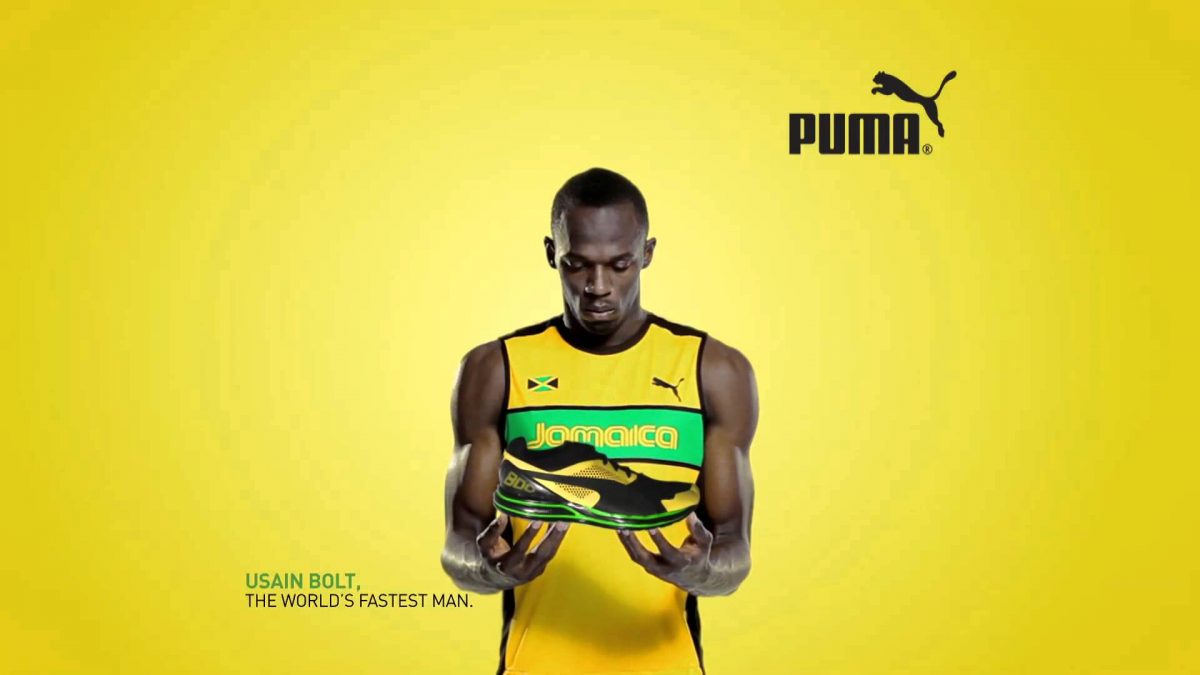
It is not uncommon to switch on the television and be confronted by celebrity after celebrity propounding the virtues of some brand or other. Celebrity advertising has always been popular and a fast growing economy attracts celebrities by the dozen in this space.

People are easily influenced and impressed by celebrities, and consider it a status symbol to sport brands endorsed by them in an effort to aspire to the same status. (A brand associates itself with a celebrity to enhance its attractiveness to the consumer. But it is important to choose the right celebrity for a product as scandals relating to them can be disastrous in a milieu where attitudes are conservative.)

Here is a quick look at some; Read the rest of this entry »

Controversial humour from Ricky Gervais @ the Golden Globes

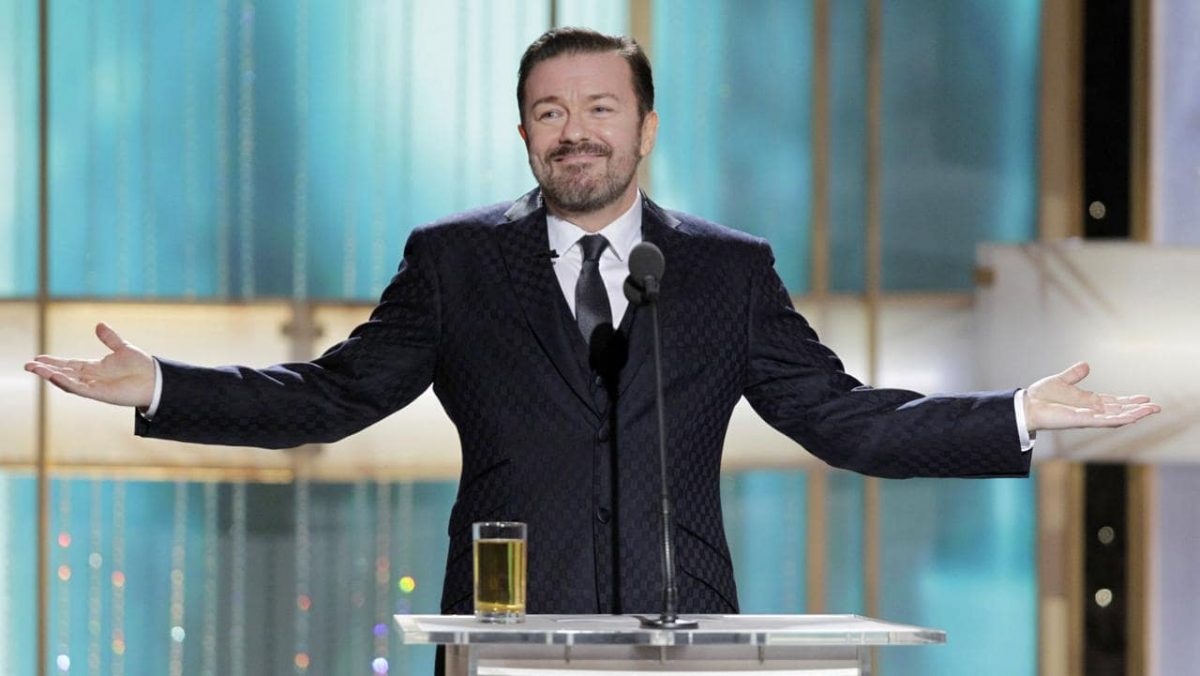
The 68th annual Golden Globes veered into Cluedo territory last night as the event’s host went missing for nearly an hour. Ricky Gervais‘s absence from the stage, following an opening monologue that drew more gasps than laughs, led excited observers to speculate that the British comic may have been collared backstage and fired … or worse.

Gervais opened the live telecast by poking exuberant fun at the likes of Tim Allen, Charlie Sheen, Mel Gibson and Robert Downey Jr. He claimed to have had to help Philip Berk, president of the Hollywood Foreign Press Association, off the toilet and “put his teeth back in”. He introduced Bruce Willis as “Ashton Kutcher’s dad” and explained that Johnny Depp’s critically panned caper movie The Tourist had only been nominated because the voters of the Hollywood Foreign Press Association “accepted bribes”. Neither Willis nor Depp appeared especially amused. Read the rest of this entry »

Luxury Brands & Celebrities: An Enduring Branding Romance

Found this interesting summary on celebrity luxury partnerships by Uche Okonkwo , Executive Director, Luxe Corp and author of Luxury Fashion Branding and Luxury online www.luxe-corp.com

The complete article can be found just below..

Celebrity endorsement of luxury fashion is hardly a new phenomenon, as it has been around for several centuries. Charles Worth, the man who invented haute couture in Paris in the nineteenth century, understood the importance of linking celebrities to brands, even before this was recognized as an important marketing communications tool. To promote his fashion house La Maison Worth, he sought a high society lady and an influencer of the court fashions, Princess Von Metternich, wife of the then Austria’s ambassador to France and close friend of Napoleon’s wife Empress Eugenie. This celebrity’s patronage and connection with La Maison Worth contributed immensely to the success and status of this couture house as the most influential in the world at its time.

Celebrities are extremely important and valuable to brands, especially in the luxury fashion sector. There is no argument about it. They wield enormous power in fashion circles and can contribute to making and breaking brands. Fashion designers pamper them and brand managers recognize their potential to brands and utilize this effectively. Celebrity endorsement does not however begin and end with shooting and printing the photo of a beautiful model in a fashion magazine. There are several factors and dimensions involved in choosing a celebrity to endorse a brand. It is however worthwhile to understand what the true value of celebrity endorsement is. Read the rest of this entry »

The right celebrity can give your brand sex appeal

05_Flatbed_WEB - JANUARY05_Flatbed_1 - JUNE39e7095781614bf14e7b3ffdc1aeab47

An insight by Michael MacRitchie

It is not uncommon to switch on the television and be confronted by celebrity after celebrity propounding the virtues of some brand or other. Celebrity advertising has always been popular and a fast growing economy attracts celebrities by the dozen in this space.

People are easily influenced and impressed by celebrities, and consider it a status symbol to sport brands endorsed by them in an effort to aspire to the same status. (A brand associates itself with a celebrity to enhance its attractiveness to the consumer. But it is important to choose the right celebrity for a product as scandals relating to them can be disastrous in a milieu where attitudes are conservative.)

Here is a quick look at some; Read the rest of this entry »

The growing charity challenge.

An insight by Andrew Howie

Well established and long standing charities are facing a battle on a new frontier. Whilst they have previously battled to gain your affections and more importantly, your donation, they are now facing a battle against an increasing cluttered segment.

Over the last ten years there has been a dramatic increase in the number of registered charities that are out there campaigning for donations. Many of these charities operate in fringe areas and focus on niche issues. The difficulty being that the amount of money that is available has not increased at the same rate. Simple economics show us that charities are fighting harder for diminishing returns.

To help raise the profile of the charity, they have long sought celebrity endorsement. A quick internet search brings up many celebrities and the causes that they support. So prolific is the association of celebrities and charities there are website dedicated to the work these people are doing. Such high profile names and Angelina Jolie, Bill Clinton, Bono and Brad Pitt sit alongside George Clooney and Sir Elton John as supporters of numerous charities. The causes that they donate to include but by no means are limited to human rights, poverty and disease. Brad Pitt and Angelina Jolie donated in excess $8 million dollars in 2006 alone. Read the rest of this entry »