
In the modern landscape of brand partnerships, authenticity is everything. Audiences are no longer impressed by superficial logo placement or clumsy integrations — they want storytelling, world-building, and cultural relevance. Few collaborations have achieved this as successfully as the partnership between Coca-Cola and Netflix’s global phenomenon, Stranger Things.
For MGI Entertainment, this collaboration stands as a benchmark in how brands can enter a narrative universe meaningfully, respectfully, and with tremendous impact.
A Seamless Fit Between Two Cultural Icons
Set in the 1980s, Stranger Things has become a cultural touchstone by tapping directly into the nostalgia of the era — from synth soundtracks to retro fashion and classic arcade culture. Coca-Cola, with its decades-long history and iconic 80s presence, was a natural fit from both a brand and storytelling perspective.
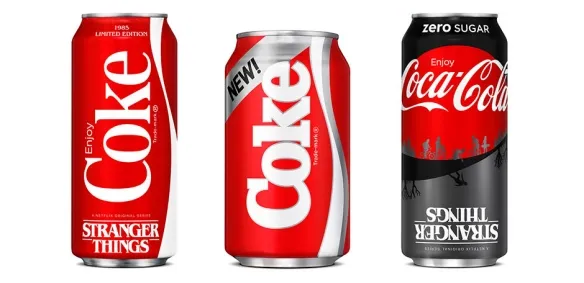
Rather than simply appearing in the background, Coca-Cola used the show’s 80s timeline as an opportunity to bring back one of the most talked-about moments in its own history: New Coke. The infamous formula change from 1985 became a clever narrative device within the show, and Coca-Cola leaned in with self-awareness, humour, and confidence.
It wasn’t a brand cameo — it was character-driven integration.
Turning a Past “Failure” Into Modern Buzz
Coca-Cola’s willingness to embrace New Coke — once considered the biggest misstep in the brand’s history — was a bold move. But bold pays off when executed with authenticity.
The brand reintroduced New Coke in limited-edition packaging, sparking immediate excitement among fans of both the show and retro culture. What could have remained a footnote in corporate history became a viral moment, renewed through storytelling and shared nostalgia.
MGI’s ongoing research into consumer motivations shows a clear pattern: fans reward brands that are honest, playful, and willing to celebrate their heritage without taking themselves too seriously. Coca-Cola embodied this perfectly.
A Multilayered Activation Strategy
The campaign went far beyond a product re-release. Coca-Cola and Netflix crafted a multi-touchpoint activation that extended the world of Hawkins into real life:
- Stranger Things–themed collectible cans and bottles
- Pop-up experiences and vending machines styled as 1985 retro installations
- Co-branded digital campaigns and social content timed with Season 3’s premiere
- Media moments that positioned the partnership as a cultural event
For brands, the key takeaway is clear: audiences don’t just want to watch entertainment — they want to participate in it.
MGI often advises clients that the strongest IP partnerships engage fans across multiple channels and sensory touchpoints. Coca-Cola delivered exactly that.
Cultural Impact & Business Results
The collaboration ignited global conversation. Fans hunted down limited-edition packs. Collectors flipped retro cans online. Social chatter surged during the release window. The partnership captured multiple generations — those who lived the 80s, and those who romanticise it today.
By embracing nostalgia and humour, Coca-Cola positioned itself as a brand that understands culture, understands fandom, and understands the value of storytelling.
This partnership didn’t just strengthen brand affinity; it demonstrated Coca-Cola’s courage in leveraging its own history in a creative and contemporary way.
Why This Matters for Brands Today
At MGI Entertainment, we see the Coca-Cola x Stranger Things campaign as a case study in best-practice entertainment marketing. It highlights three essential principles:
- Authenticity wins.
Integrate when it naturally supports the narrative — not when it interrupts it. - Culture is currency.
Brands that understand fandom and storytelling earn deeper loyalty. - Nostalgia, when done right, is powerful.
Audiences love brands that embrace their heritage with humour and pride.
Conclusion
Coca-Cola’s sponsorship of Stranger Things wasn’t just a promotional partnership — it was a cultural moment that captured the imagination of millions. For brands looking to collaborate with entertainment IP meaningfully, this case shows what’s possible when creativity, timing, and narrative align.
For MGI Entertainment, it reinforces a core belief:
The future of brand storytelling lies in seamless, smart, fandom-driven partnerships.