Effective use of Celebrity endorsement – Part 3

An insight by Andrew Howie

BMW – The Hire

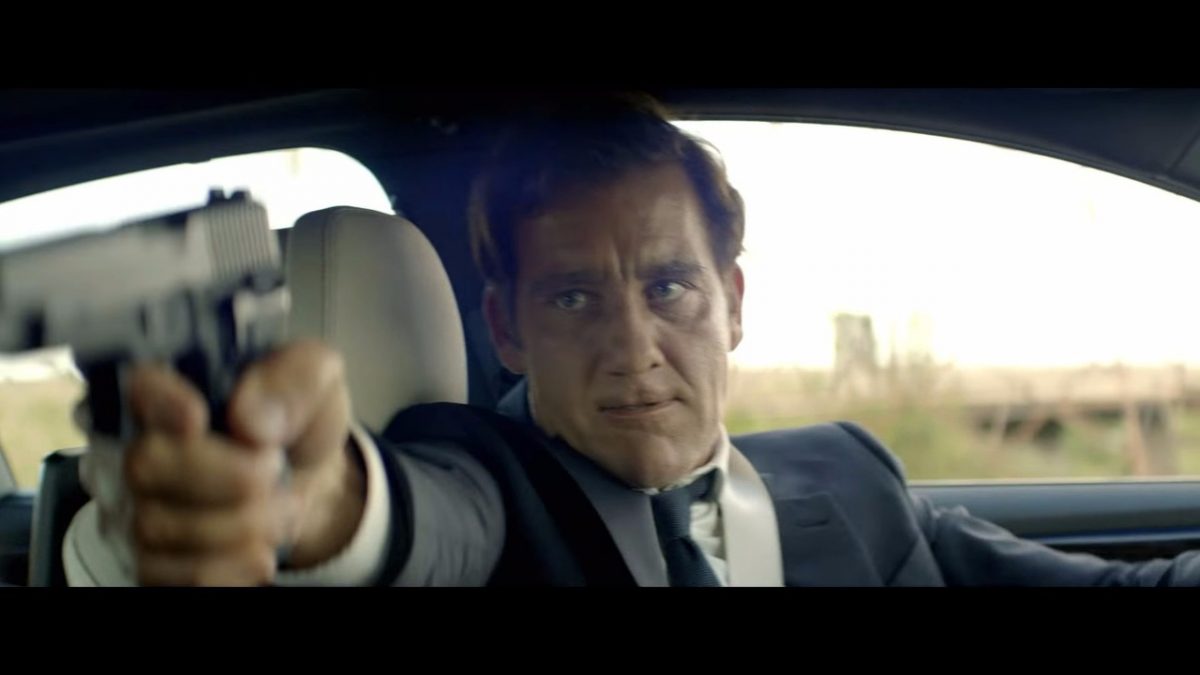
Some people may know him from “The International”, whilst others may know him from “Duplicity”. But millions of people around the world know Clive Owen as “The Driver”.

“The Driver” is an 8 part series of short films, all produced for the internet, that have been directed by world famous directors. This includes such big names as John Woo, Joe Carnahan and Guy Ritchie, who between them have directed such masterpieces as ‘Mission Impossible II’, ‘Face/Off’, ‘The A-Team’ and ‘Smoking Aces’.

These short films all revolve around a particular car in the BMW range. In the initial episode, it features the 7 series. Then in subsequent episodes it shifts to the 3 series, 5 series, the M5, the X5 and then finally Z4.

Throughout the series, the cars performance, handling and style is portrayed, but in a manner that does not detract from the plot. They in fact are integral to the story telling. They are seamlessly integrated and, along with Owen, are the heroes of the plot.

The stories range from a war photographer who witnesses genocide to a diamond smuggler escaping from those he stole from, to a man (the Godfather of soul James Brown) who sold his sole to the devil, but now wants it back. In one episode, starring Madonna, Clive Owen is tasked with driving the starlet to her concert. Unaware of who she is an more importantly, disinterested, he gives her a taste of her own medicine, served up through the performance of the M5.

Whilst none of the films rattle off the list of features as you would expect from traditional advertising, nor feature the long winding road in glorious sunshine, they are engaging and a well worth watching.

So successful was the concept, following their launch, BMW experienced around 12% incremental growth. The movies have been viewed in excess of 100 million times online, then enjoying sell out success when there were limited release DVDs distributed through dealerships and Vanity Fair.

The series was eventually scrapped due to the rapidly soaring costs to make. BMW however were staggered by the success of the campaign and saw it as revolutionising the way they advertised their product. The series has also become a case study for how brands can integrate their products in to branded content.

Episode 1 – The Ambush

httpv://www.youtube.com/watch?v=PKYUtUw-8ig

First episode in the second series – Beat the devil

httpv://www.youtube.com/watch?v=3nxV1Iw6PFI

Effectiveness of Celebrity endorsment. Part 2

An insight by Andrew Howie

PEPSI & MICHAEL JACKSON

The 80’s were amazing. They were a time of great prosperity and growth. It saw the birth of multinational businesses and it also sadly saw the divide between first and third world countries expand.

One of the greatest things about the 80’s was the definition of style and culture. Fashion became a feature of many countries emerging from the grips of communism. Brands such as Oakley took off and bright colours were the norm.

And when it came to beverages, there was a war waging. You were either a Coke drinker, or a Pepsi drinker. The battle lines were drawn and the armies were devout. The drink you were seen with defined who you were as a person and what you stood for.

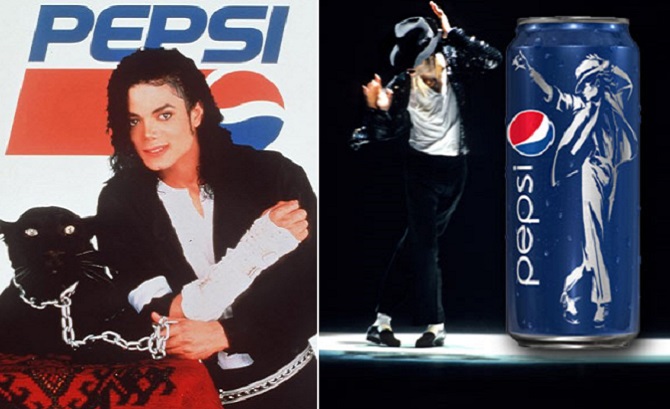
1983 saw a partnership form between Pepsi and Michael Jackson worth $5 million. A deal that shattered all standing records for celebrity endorsement deals. It linked the 2 brands together for 10 years and is still used a case study highlighting how an integrated campaign should be executed.

Coke had tried its best to land MJ for a campaign but the $1 million asking price was not enough, mixed with the fact that the campaigns they offered up all felt too niche and ethnic oriented.

Pepsi were sold on the idea when Michael offered to alter the words to his hit single ‘Billie Jean’ to incorporate the Pepsi brand, and the rest is history.

It was on the set of the shoot that Michael had his hair set on fire and as a result was forced to undergo his first surgical procedure.

What is interesting to note about this campaign is the complete lack of professional integrity shown. By modern standards, MJ totally sold out to the man. He butchered his own work for the benefit of the brand.

But, back in 1984, we were all young and innocent. We just looked at this and thought “Wow, Michael Jackson must really love Pepsi”.

To relive the magic, grab yourself a Pepsi, crack the can and watch it here:

httpv://www.youtube.com/watch?v=po0jY4WvCIc

Effective use of Celebrity endorsement. Part 1

An insight by Andrew Howie

This hugely successful campaign was the brain child of Rawson Marshall Thurber, who also played a huge role in the writing and directing of ‘Dodgeball: A True Underdog Story’.

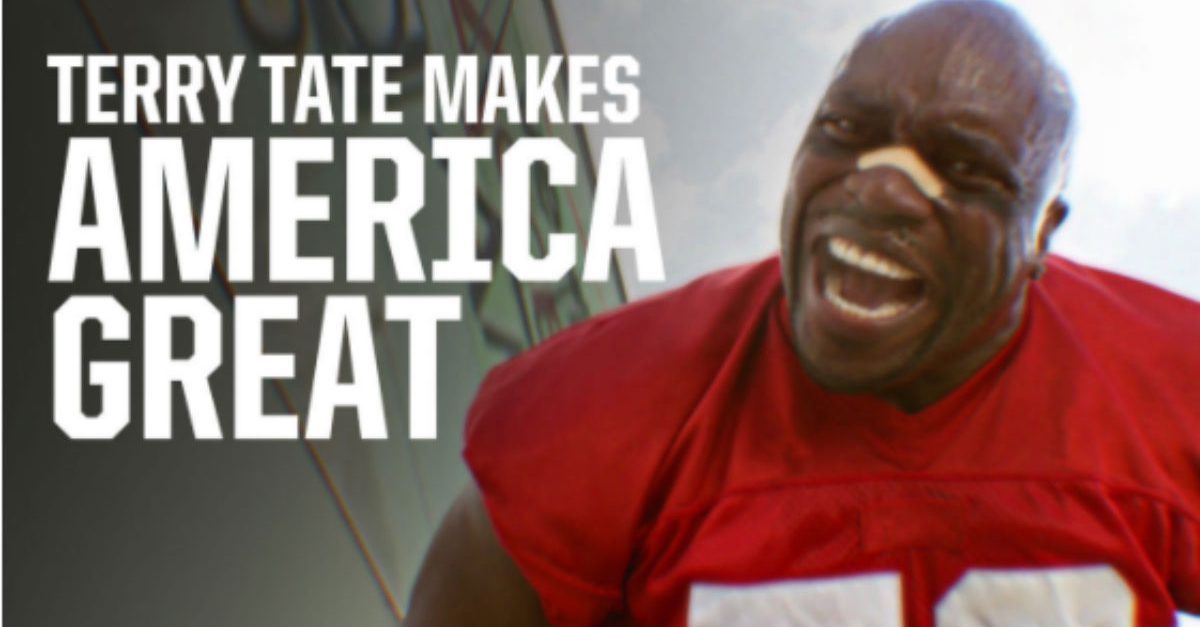
The ‘Terry Tate – Office Line Backer’ series was first produced in 2002 and aired during half time of the 2003 NFL Super Bowl. The main character, ‘Terrible’ Terry Tate, also known as Triple T and The Pain Train, was played by Leister Speight, a little known professional footballer who also had a short lived professional wrestling career.

The series originally featured 6 episodes, including ‘Terry’s World’, “Draft Day’ and ‘Vacation’ with the hilarious ‘Sensitivity Training’ following as the 7th episode. Read the rest of this entry »

How to Become a Chinese Internet Celebrity

Found an interesting article on Little Red Book by Rand Han which discusses the most powerful celebrity in China is actually a “digital blogger” the complete article can be found here

Here’s an eye opener: China’s most famous digital blogger is more popular than China’s top movie and sports star celebrities combined… by a pretty wide margin.

Here’s an eye opener: China’s most famous digital blogger is more popular than China’s top movie and sports star celebrities combined… by a pretty wide margin.

This is crazy, but when you think of it, oddly intuitively right. Offline celebrities are great, but seem distant and inaccessible. When compared to your average blogger or online celeb however, there exists the opportunity to engage, keep up with them daily, and share more of their lives; more points of contact eventually equal greater engagement, assuming the content of those engagements remains fresh.

From Nielsen APAC Social Media Report.

From the above, we see China’s “rebel” blogger “Han Han” at the top of the popularity charts with 57%, distantly followed by Zhang Ziyi, China’s most popular movie star siren at 23%. Afterwards is the briefly uber-popular Brother Sharp, aka “Prince of Beggars” at 13% followed by Yao Ming, the NBA baller superstar at 3%.An internet fad generates over 400% more popularity than China’s national hero? Has the world gone mad?

Not only that, according to DigiTrends, Han Han is going offline, appearing in outdoor ads across China’s bus and subway networks for Vancl.

Who needs movie stars when you can use bloggers?

Pretty interesting no? It’s clear the influence a lone blogger can have, and brands are reflecting this in their campaigns; not only is Han Han on outdoor ads, but China’s bloggers are a common staple in your average WOM campaign diet.

I know what you’re thinking: “Rand, these nobodies became somebodies… so how can I too become a Chinese internet celebrity?”

This is a very good question, most appropriately answered with the following headline:

How to become a Chinese Internet celebrity.

Here are a few cases of internet celebs; some of them manufactured by China’s “buzz”agencies, and other arising naturally, either through talent, sexuality, or serendipity.

Furong Jie.

“Sister Furong” was manufactured by a now defunct China ePR agency. Back in “the day” the calling card of China’s social media agencies was the ability to create viral content online. Generally this is on the low end of low end in terms of budgets; but when done right became cultural phenomenons. Sister Furong is one such example.

“Sister Furong” and her iconic “S” pose. Haunting.

It’s pretty clear that Sister Furong was created to be mocked. She’s a not-so-attractive woman, posing as if she were very attractive, in poses that are supposed to be sexy (the “S” shape) but upon the briefest of inspections clearly are not. It’s a play on ignorance wherein the viewer feels a brief sense of superiority; and it was a smash hit with China’s netizens, launching Sister Furong’s agency into the top echelons for a brief window in time.

Sister Furong’s “Internet Celebrity” Media Plan.

Sister Furong’s buzz; notice how its been maintained over four years by the agency.

Now of course this will have a backlash effect; following this route leads to ridicule. Which brings us to…

Yufeng Luo.

Yufeng Luo sent thousands of marriage seeking leaflets in Shanghai’s busiest districts, with strict conditions such as “handsome”, “great attitude”, “rich”, “college educated”, “great job”, “1.72-1.83 meters in height” etc. Generally such superficial audacity would seem arrogant; that’s until you see Yufeng Luo.

wow.

Also the product of an agency, Yufeng Luo was deemed “the most confident girl in all of China” by China’s netizens. Successful for the agency, at her peak Yufeng Luo was interviewed on Jiangsu TV, and had her own TV show, but for the girl that played the part?

Yufeng Luo at Shanghai Expo.

A little embarrassing yes, but with Shanghai’s crowded streets, and especially the Expo’s packed crowds, the invisible “barrier of mocking” may be a benefit. Maybe.

Brother Sharp.

Brother Sharp, or the “prince of beggars” was an organic viral phenomenon, not created by an agency. He’s just a cool looking beggar walking on the street who happens to suffer from extreme mental problems.

Whoa, looking good!

Whoa! International Fashion Star!

…whoa….

………whoa?

Yes Brother Sharp cross dresses; as you may have guessed these next “fashion statements” met with a little less fanfare, though they certainly did get attention. Upon deeper study, Brother Sharp’s got some serious mental issues, which upon reflection may be the secret that turned him into a fashion icon, cause as we all know, fashion is insane.

Here today, gone tomorrow; Brother Sharp’s buzz peaks for a month, and then fades away.

Brother Sharp managed to catch attention; but it was a brief case of serendipity before he slid back into the general fuzz. Unlike Furong Jie’s managed buzz, Brother Sharp peaked and was gone in an internet minute.

Xinyu Zhang.

Now here’s a movie celebrity who became an internet celebrity. It isn’t too hard to guess what makes Xinyu a star; and a star she is to China’s many geeks. Xinyu is the spokesmodel for video games, football, and through a nude picture “scandal”.

NOW we’re talking.

Xinyu Zhang followed an arguably “traditional” route vs. her celebrity counterparts, selling sex rather than some freakish contextual oddity.

I’m guessing that peak is when the naked “scandal” photos broke out.

Generally we see sustained activity throughout the years, managed by consistent activity, linking to video games, and guys who want to see her naked.

So there you have it.

Becoming a Chinese internet celebrity isn’t too hard it seems if you’re willing to sell your soul. In the case of Han Han we have true talent and true connection to his audience. In the case of the others? A focus on one extreme facet of personality blown out of proportion to cartoonish characterization.

We get a sense of short term vs long term benefits, and the meaning of connection, be it based on mutual respect, or a complete debasement of one’s image.

One thing is certain, these celebrities are commanding greater awareness and public attention than their offline counterparts, and the reason is simple; it’s engagement and connection on a day to day emotional level that makes these celebs more accessible, and inherently more interesting.

Just like ad campaigns that turn into social media campaigns; the same with digital vs. offline celebs; it’s no longer one big bang, but a series of small bangs over time to increase affinity and to lengthen conversations. In a sense this has been done previously, but in another sense enough has changed in the traditional model to make this a “new enough” field that requires exploration and for brands, optimization.

Related articles from around the web.